


Tree Service In Edmond
You Can Actually Rely On
Safe Tree Removal, Trimming,
And Emergency Service Done Right
When a tree becomes a problem, you don’t want delays or guesswork.
You want a team that shows up, knows what they’re doing, and gets it handled safely.
Request Your Free Estimate
Tell us what you need and we'll follow up to schedule your estimate.
What Our Customers Say About Vision Tree Service
See recent 5-star feedback from homeowners who trusted our team for professional tree service in Edmond and the Oklahoma City metro.


Tree Services Available Throughout Edmond And Oklahoma County
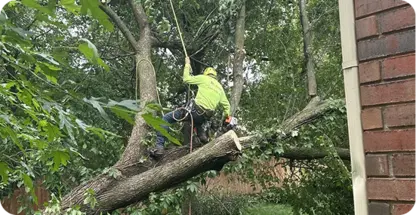
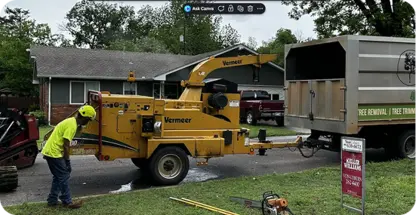
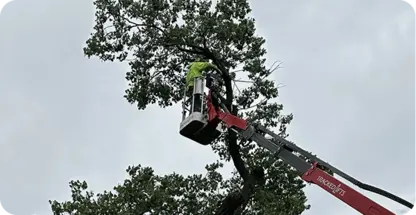
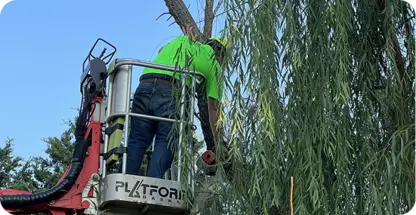
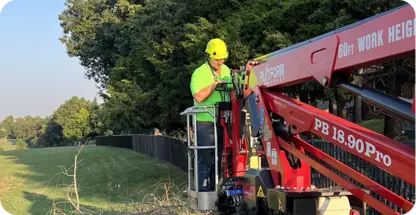
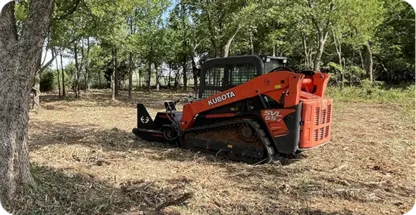
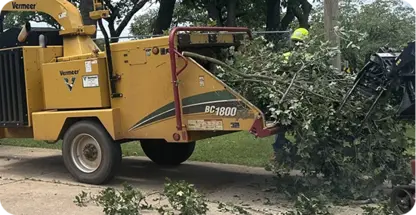
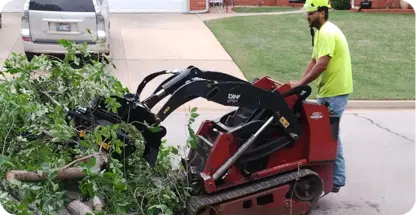
About Vision Tree Service
Vision Tree Service is a locally owned, family-operated company built on consistency, experience, and doing the work the right way.
With over 50 years of combined experience, our team has handled everything from routine maintenance to high-risk removals involving large trees near structures. That experience shows in how we approach each job, not rushed, not careless, but planned and controlled from start to finish.
We understand that tree work often involves risk, urgency, and high cost for the property owner. That’s why we focus on clear communication, realistic timelines, and doing exactly what we say we’re going to do.
No overpromising. No shortcuts. Just reliable work.
Why Choose Us: Benefits Of Hiring A Professional Tree Service
Certified Arborist Knowledge
Real Tree Care Experience
Safety-First Approach
Fully Insured Coverage
Proper Equipment And Cleanup
Licensed And Reputable
Certified Arborists With Real Experience
BBB A-Rated And 5-Star Trusted
Licensed, Bonded And Fully Insured
24/7 Emergency Tree Service
Crane-Assisted And Hazardous Tree Removal
Insurance Claim Support And Clear Pricing
Emergency Tree Service And Fallen Tree Removal
Oklahoma storms can turn a healthy tree into a serious hazard within minutes. Strong winds, heavy rain, and sudden weather shifts across Edmond and Oklahoma County often lead to fallen trees, split trunks, and hanging limbs that put homes, vehicles, and access areas at risk. When that happens, fast and professional emergency tree service is critical to prevent further damage.
Tree Failure Risk Factors
Regular maintenance like trimming, structural pruning, and inspections can reduce these risks, but once a tree becomes unstable, immediate action is required.
Tree Removal Permits And Zoning Regulations In Edmond, OK
Tree removal in Edmond is generally straightforward for homeowners, but there are specific zoning and ordinance rules that apply depending on the property type, size, and location.
Most Residential Properties
No permit is required for most residential properties.
Permits May Be Required
A tree removal permit is required for unplatted land, commercial properties, or developments under site planning regulations.
Tree Preservation Rules
New subdivisions must follow tree preservation ordinances, including maintaining or replanting tree canopy areas.
Property Owner Responsibility
Homeowners are responsible for maintaining trees on their property, including those near the public right-of-way.
Additional Permits May Apply
In some cases, land disturbance permits or zoning approvals may be required alongside tree removal approval.
Official Edmond Ordinance
Review the City of Edmond's official landscape ordinance for complete requirements and current regulations.
View Edmond Tree Removal OrdinanceTree Insurance Claim Assistance
After storms or unexpected tree failure, many homeowners aren't sure what may be covered under their insurance policy.
We can provide clear documentation, written estimates, and professional assessments that may help support your claim and make the process easier to navigate.
How We Can Help After Storm Damage
- Detailed Damage Documentation Clear information about the affected tree and recommended work.
- Written Estimates For Your Records Professional estimates you can provide during the claims process.
- Storm Damage Assessment We identify hazardous trees, broken limbs, and damage requiring attention.
Coverage varies by policy and situation. Homeowners should confirm coverage directly with their insurance provider.