

Key Takeaways:
- Structure Damage is Key: Insurance typically only pays for removal if the tree hits a covered structure (house, garage, fence).
- Maintenance Matters: If a tree was dead or diseased before the storm, the claim may be denied due to homeowner negligence.
- Driveway Access: Some policies cover removal if a fallen tree blocks your only driveway or a handicap ramp, even if no structure is hit.
- Neighbor’s Liability: In Edmond, if your neighbor’s tree falls on your house, you usually file through your own insurance unless negligence is proven.
Edmond residents are no strangers to the volatile nature of Oklahoma weather. From the legendary spring windstorms to the weight of autumn ice, the trees that provide our City of Trees with its beauty often become structural threats overnight. When the wind dies down, and you find a massive elm sprawled across your lawn, or worse, your living room, the first question is inevitably: Does my homeowners’ insurance cover this?
The answer is rarely a simple yes or no. In Edmond, insurance coverage for tree removal is a complex intersection of policy language, the location of the tree, and the specific damage it caused. Understanding these nuances before the next storm hits can save you thousands of dollars in unexpected cleanup costs.
The Covered Peril Requirement
For insurance to even consider a claim, the tree must have fallen due to a covered peril. In Edmond, this usually means windstorms, lightning, hail, or the weight of ice and snow. If a tree simply falls over on a calm Tuesday because it was old and rotting, your insurance provider will likely view that as a maintenance failure rather than a sudden accidental loss.
When Coverage Kicks In: Structure Damage
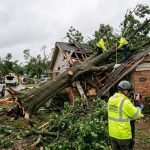
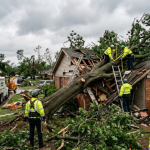
The primary trigger for tree removal coverage is damage to a covered structure. If an oak tree falls onto your roof, hits your detached garage, or crushes your backyard fence, your policy typically covers two things:
- The cost to repair the physical damage to the structure.
- The cost to remove the tree from the structure so repairs can begin.
The No Damage Scenario
This is where many Edmond homeowners are caught off guard. If a tree falls across your lawn but doesn’t hit a single building or fence, most standard policies will not pay for its removal. Even if the tree was perfectly healthy and uprooted by a 70-mph gust, insurance generally views a tree lying on the ground as debris rather than a loss, leaving the homeowner to foot the bill for hauling it away.
Exceptions: Driveways and Accessibility
There are a few instances where insurance may cover removal even if no structure was damaged. Most Oklahoma policies include a clause for Debris Removal that applies if the fallen tree creates a safety or access hazard.
- Driveway Blockage: If a fallen tree prevents a registered vehicle from entering or leaving your property, many insurers will pay for the portion of the removal required to clear the path.
- Handicap Access: If a tree blocks a ramp or walkway designed for handicap access, removal is usually covered as a necessity for safe dwelling.
The Neighbor Problem: Who Pays?
In Edmond’s established neighborhoods, many trees are large enough to cross property lines. A common misconception is that if your neighbor’s tree falls on your house, the neighbor (or their insurance) is automatically responsible.
Under standard Oklahoma insurance laws, you typically file the claim with your own insurance company, regardless of whose yard the tree originated from. Your insurance handles your repairs and removal. If it can be proven that the neighbor was negligent, for example, if you sent them a certified letter months ago warning them that the tree was dead and they ignored it, your insurance company may attempt to recoup their costs through a process called subrogation. If successful, you might even get your deductible back.
Negligence and the Maintenance Trap
Insurance companies are not in the business of paying for what they deem to be a lack of maintenance. If an adjuster arrives at your Edmond home and sees that the fallen tree was hollowed out by rot or infested with wood-boring insects prior to the storm, they may deny the claim.
Homeowners have a legal and contractual obligation to maintain their property. Regular pruning and the removal of known hazardous trees are considered home maintenance, much like cleaning gutters or replacing a worn-out water heater. This is why having a documented history of tree care from a professional service is vital for protecting your claims.
When a storm leaves your Edmond property in disarray, you need a local partner who understands both the urgency of the situation and the technical requirements of insurance documentation. Vision Tree Service is the premier provider of tree care in Edmond, Oklahoma City, and the surrounding Metro area. Led by ISA Certified Arborists, our team is specifically equipped to handle the complexities of storm-damaged trees, offering Emergency Tree Services and Fallen Tree Removal 24 hours a day!
Frequently Asked Questions by Homeowners in Edmond, Oklahoma
What should I do immediately after a tree falls on my house in Edmond, OK?
Ensure everyone is safe, take clear photos and videos from multiple angles, and contact a professional tree service to prevent further structural damage.
Will my premiums go up if I file a tree-related claim?
This depends on your provider and claim history, but since Oklahoma is a high-wind state, many companies view storm-related tree damage as a common risk.
What if a tree falls on my car parked in the driveway in Edmond, OK?
This is typically a comprehensive auto insurance claim, not a homeowners insurance claim, even if the tree was on your property.
Does the City of Edmond help with trees on my property?
The City of Edmond Urban Forestry department generally only assists with trees in the public right-of-way. Private trees are the homeowner’s responsibility.
Can I remove the tree myself before the adjuster arrives?
It’s best not to. Adjusters can take days or even weeks to arrive after large storms. Removing the tree yourself may cause secondary damage, which could affect your insurance coverage for additional repairs. Always wait for guidance from your insurer or a professional.
How can I prove I wasn’t negligent in maintaining a tree?
Keep receipts and reports from an ISA Certified Arborist showing that the tree was inspected and maintained regularly before the storm.
Summary Checklist: Edmond Storm Tree Removal
| Condition | Risk Level | Recommended Action |
|---|---|---|
| Tree on the house/roof | Critical | Evacuate, take photos, and call for emergency professional removal immediately. |
| Tree blocking the only driveway | High | Contact insurance to see if removal is covered as an access necessity. |
| Large hanging limbs (widow-makers) | High | Keep people away and schedule a professional arborist to prune the hazard. |
| Healthy tree has fallen in an open yard | Low | Not covered by insurance; hire a tree service for wood chipping and debris removal. |
| Neighbor’s tree leaning toward your home | Moderate | Send a written notice to the neighbor and consult an arborist to document the risk. |
Final Advice
Successfully managing a storm-damaged tree on your Edmond property is about more than just clearing the wood; it’s about navigating the financial and safety implications with a clear head. The difference between a covered claim and a massive out-of-pocket expense often comes down to documentation and the specific way the tree fell.
- Prioritize Structure Safety: Focus your insurance efforts on trees that have made physical contact with your home, garage, or fence.
- Document the Peril: Always take photos that clearly show the weather conditions (like ice or wind-snapped branches) to prove the tree fell due to a covered storm.
- Maintain for the Future: The best way to ensure an insurance payout is to have a paper trail of professional arborist inspections.
- Act Fast on Emergencies: If a tree is actively damaging your home, hire a professional immediately; insurance companies expect you to take reasonable steps to prevent further loss.
Ultimately, the goal is to return your landscape to its safe, beautiful state as quickly as possible. By staying proactive with your tree health and knowing the fine print of your policy, you can face Oklahoma’s storm season with confidence. Don’t wait for a crisis to find an arborist. Build that relationship now so you are first on the list when the clouds roll in.
Reviewed by a Certified Arborist
This article has been reviewed by a certified arborist to ensure all information meets industry standards.