

Trees add shade, beauty, and value to a property, and removing a mature tree shouldn’t be the first recommendation when there are reasonable options for preserving it. But there are situations when a damaged, declining, or structurally compromised tree can become a concern for your home and property.
The challenge is knowing the difference between a tree that needs routine care and one that should be evaluated for tree removal in Oklahoma City.
At Vision Tree Service, we evaluate trees individually before recommending a course of action. When pruning, cabling, or another tree-care approach is appropriate, those options should be considered. When removal is the better option, careful planning is especially important around homes, fences, driveways, utility lines, and neighboring properties.
Here are seven warning signs Oklahoma City homeowners should watch for.
1. The Tree Is Dead or Has Significant Dieback
A tree with a few dead branches doesn’t necessarily need to be removed. Deadwood can often be addressed through proper pruning.
A tree with extensive dieback throughout the canopy, however, deserves closer attention.
Watch for signs such as:
- Large portions of the canopy failing to leaf out
- Numerous dead or brittle branches
- Bark separating from significant areas of the trunk
- Progressive decline over multiple growing seasons
- Fungal growth or decay associated with damaged areas
Determining why a tree is declining is important before deciding what to do next. Some problems may be manageable, while extensive decline combined with structural defects can make removal the more practical option.
If you’re concerned about a declining tree, Vision Tree Service provides professional tree care in Oklahoma City and can evaluate the tree before recommending treatment or removal.
2. The Trunk Has Major Cracks, Cavities, or Decay
The trunk is the primary structural support for the tree, so significant defects deserve attention.
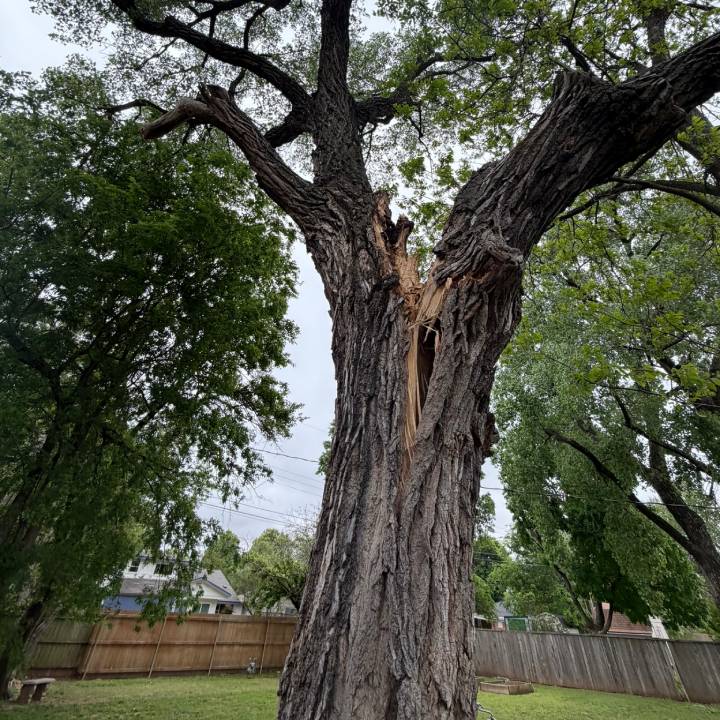
Large cracks, cavities, decayed areas, or old wounds don’t automatically mean a tree will fail. Trees can remain standing for years with visible defects. The important question is how those defects affect the tree’s overall structure.
Location matters too.
A compromised tree growing in an open area presents a different situation than one leaning over a house, driveway, fence, or frequently used portion of the property.
An arborist can evaluate the extent of the defect along with the tree’s species, structure, canopy, root system, and surroundings before recommending a course of action.
3. The Tree Has Developed a Significant Lean
Not every leaning tree is dangerous.
Some trees naturally grow at an angle and remain structurally stable for decades. A lean becomes more concerning when it is new or noticeably increasing, especially following high winds, saturated soil, construction, or root disturbance.
Warning signs may include:
- A recently developed lean
- Soil lifting or cracking near the base
- Exposed or damaged roots
- A change in the tree’s position after a storm
- A heavy canopy pulling the tree toward a structure
If a large tree suddenly changes position, it should be evaluated promptly.
Storms can also create hazards that aren’t obvious from the ground. If you have damaged or unstable trees following severe weather, learn more about our emergency tree services in Oklahoma City.
4. Large Limbs Are Damaged or Structurally Weak
Sometimes the entire tree isn’t the problem. One or more major limbs may be damaged, poorly attached, or overextended.
This is where professional pruning can make a significant difference.
Selective pruning may reduce weight, remove damaged branches, improve clearance, or address structural concerns while allowing the tree to remain.
The goal shouldn’t be to remove healthy trees unnecessarily. When the tree can reasonably be preserved, appropriate pruning is often worth considering.
Vision Tree Service provides professional tree trimming in Oklahoma City for homeowners who need help managing damaged, overgrown, or potentially hazardous branches.
5. The Roots Have Been Damaged
A tree can look healthy above ground while having serious problems below the surface.
Roots provide both water and nutrients and much of the tree’s structural support. Damage to significant roots can affect the tree’s long-term stability.
Root damage can occur from:
- Construction or excavation
- Trenching
- Soil compaction
- Changes to the surrounding grade
- Vehicle or heavy-equipment traffic
- Erosion
- Severe weather
The severity depends on which roots were affected, how much of the root system was disturbed, and the condition of the tree before the damage occurred.
If you’re planning construction near a mature tree, having it evaluated before work begins may also help prevent avoidable root damage.
6. The Tree Is Too Close to a Structure or Other Target
A tree growing close to a house doesn’t automatically need to be removed.
Many mature trees coexist safely with homes for decades. However, proximity becomes more important when it’s combined with structural defects, declining health, damaged roots, or large limbs extending over valuable property.
When evaluating the situation, consider what would be affected if part or all of the tree failed.
Potential targets include:
- Houses
- Garages and outbuildings
- Vehicles
- Fences
- Driveways
- Play areas
- Neighboring property
- Utility infrastructure
The appropriate solution may be pruning, monitoring, cabling, or removal depending on the tree and site.
7. The Tree Was Seriously Damaged in a Storm
Oklahoma weather can be hard on mature trees.
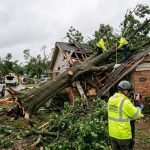
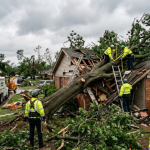
Strong winds and severe storms can split trunks, break major limbs, damage root systems, and expose weaknesses that weren’t obvious beforehand.
The important thing after a storm is not to assume that every damaged tree needs to come down.
Some trees can be successfully pruned and retained. Others may have suffered enough structural damage that removal is the safer long-term choice.
A professional assessment can help determine which situation you’re dealing with.\
Can the Tree Be Saved Instead?
In many cases, yes.
Tree removal should be based on the condition of the tree and the circumstances of the property—not simply because a tree is large, old, or inconvenient.
Depending on the situation, alternatives may include:
- Structural pruning
- Deadwood removal
- Crown reduction where appropriate
- Cabling or supplemental support
- Monitoring changes over time
- Addressing surrounding site conditions
This is one of the reasons working with an ISA Certified Arborist can be valuable. A knowledgeable evaluation considers the entire tree and its surroundings rather than focusing on a single visible symptom.
What Happens If Tree Removal Is Necessary?
Removing a tree near a home is very different from dropping a tree in an open field.
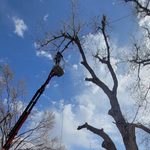
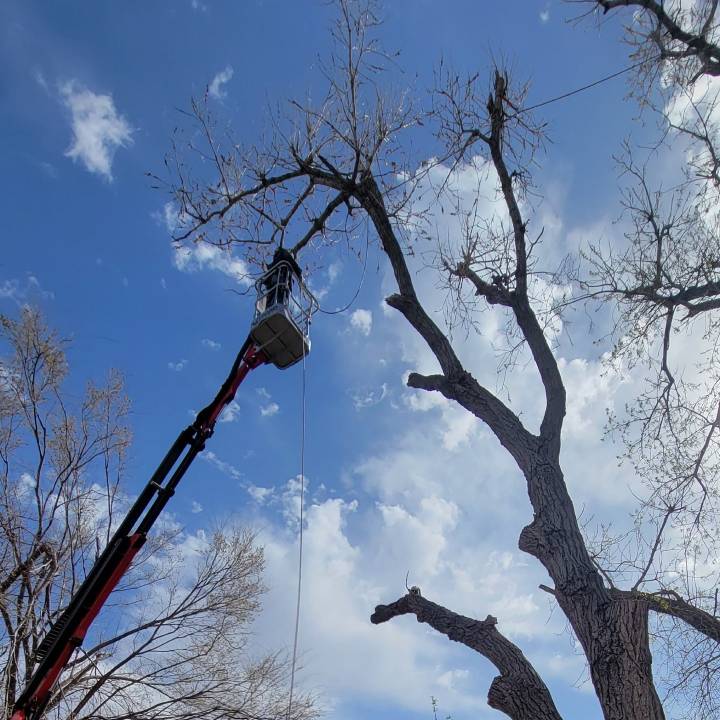
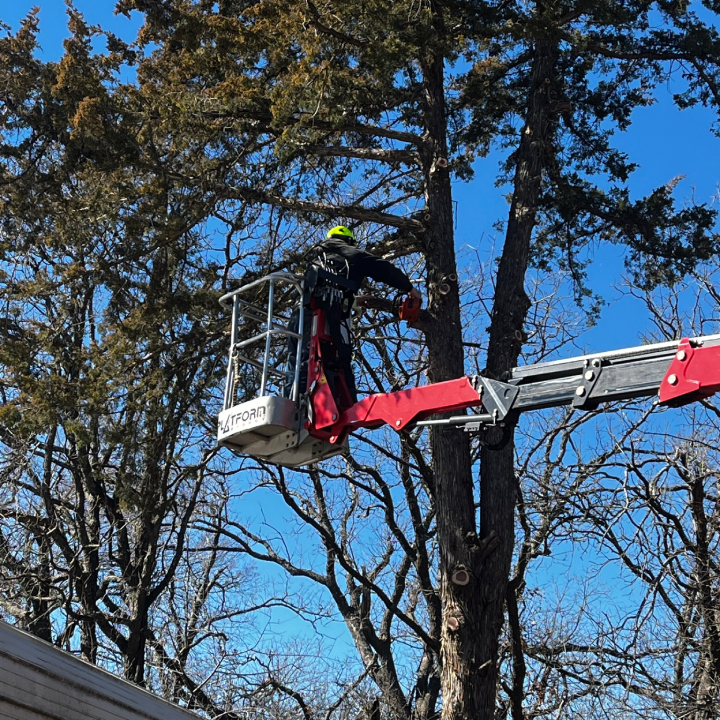
Limited space may require the tree to be dismantled in sections using professional climbing, rigging, aerial equipment, or other specialized techniques. Limbs and trunk sections may need to be lowered into controlled areas to avoid surrounding structures and landscaping.
Vision Tree Service provides professional tree removal in Oklahoma City with the equipment and experience needed for removals in residential environments.
After removal, the stump can also be addressed separately. Our Oklahoma City stump grinding service can help remove the remaining stump and reclaim usable space in the yard.
Get a Professional Tree Evaluation in Oklahoma City
If you’re looking at a tree and wondering whether it needs pruning, treatment, or complete removal, you don’t have to make that decision based on appearance alone.
Vision Tree Service serves homeowners throughout Oklahoma City with professional tree care, trimming, hazardous tree removal, emergency services, and stump grinding.
Our goal is to evaluate the tree and your property, explain the available options, and recommend an appropriate course of action for the situation.
If removal is necessary, we’ll develop a plan based on the tree’s size, condition, location, and surrounding structures.
Concerned about a tree on your property?
Contact Vision Tree Service today to schedule a free, no-obligation on-site estimate for your Oklahoma City property.
Learn more about Vision Tree Service and our Oklahoma City tree services.