

Oklahoma City homeowners face unique challenges when caring for their trees. These tree care tips for Oklahoma City homeowners can help identify potential problems early and keep trees properly maintained through strong winds, severe thunderstorms, ice, intense summer heat, and periods of drought.
Regular tree maintenance isn’t just about appearance. Routine inspections, proper trimming, root protection, and recognizing signs of decline can help maintain healthy growth and identify potential hazards around your property.
Tree Care Tips for Oklahoma City: Why Regular Maintenance Matters
Trees in Oklahoma City can experience everything from high winds and severe thunderstorms to ice and prolonged summer heat. Over time, weather, age, disease, insects, and structural problems can weaken branches or entire trees.
Routine inspections and preventive maintenance can help identify problems early.
Homeowners who aren’t sure about the condition of their trees can have them evaluated by a professional tree service in Oklahoma City.
1. Inspect Your Trees Regularly for Damage
You don’t need to be a tree expert to notice when something has changed.
Walk around your property periodically and look at your trees from several angles. Pay particular attention after strong winds, thunderstorms, or ice.
Warning Signs Oklahoma City Homeowners Should Watch For
Some visible warning signs include:
- Dead or dying branches
- Broken or hanging limbs
- Cracks in large branches or the trunk
- A tree that has developed a noticeable lean
- Cavities or visible decay
- Fungal growth around the trunk or roots
- Unusual thinning of the canopy
- Premature or abnormal leaf loss
- Branches contacting roofs or structures
- Damage following a storm
One symptom doesn’t necessarily mean a tree needs to be removed. However, significant changes are a good reason to take a closer look.
2. Trim Problem Branches Before They Become Bigger Problems
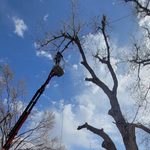
Proper tree trimming can remove dead, damaged, crossing, or problematic branches while helping maintain a tree’s structure and appearance.
This can be especially important for branches growing over homes, roofs, driveways, fences, vehicles, or frequently used areas of the property.
Oklahoma’s wind and storms can place additional stress on branches that are already weak or damaged.
Homeowners who notice dead, overgrown, or potentially hazardous branches can learn more about professional tree trimming in Oklahoma City.
Tree trimming should also be performed with the long-term health and structure of the tree in mind. Removing too much of the canopy or making improper cuts can create additional problems rather than solving them.

3. Know When a Tree May Need to Be Removed
Not every tree problem can be corrected through trimming.
A tree that is dead, severely declining, extensively decayed, badly storm-damaged, or structurally compromised may require a more thorough evaluation.
Situations that may warrant evaluating a tree for removal include:
- A dead or severely declining tree
- Major trunk damage
- Extensive decay
- Significant storm damage
- Serious structural instability
- A tree threatening a home or other structure
- Multiple major failures within the canopy
The decision to remove a mature tree shouldn’t be made simply because it has a few dead branches. The overall condition, structure, location, and potential risk should be considered.
When a tree is dead, severely damaged, or presents a significant concern, tree removal in Oklahoma City may be the safest long-term solution.
4. Prepare Your Trees for Oklahoma Storms
Severe weather is one of the biggest reasons Oklahoma City homeowners should pay attention to their trees.
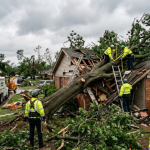
High winds can expose weaknesses that aren’t always obvious during calm weather. Dead limbs, damaged branches, weak branch attachments, and existing structural defects may be more likely to fail when subjected to severe wind.
Before storm season, look for branches that appear dead, cracked, broken, or poorly attached.
After a significant storm, inspect your trees again from a safe location.
Look for newly broken branches, hanging limbs, trunk damage, changes in the tree’s position, or other obvious signs that something has changed.
Never attempt to remove large hanging limbs or work around branches that are contacting utility lines yourself.
5. Watch for Signs of Tree Stress, Disease, and Decline
Tree problems aren’t always caused by storms.
Disease, insects, environmental stress, root problems, age, and other factors can gradually affect the health of a tree.
Possible signs of tree stress or decline can include:
- A thinning canopy
- Increasing numbers of dead branches
- Abnormal leaf discoloration
- Premature leaf loss
- Fungal growth
- Changes in the bark
- Visible cavities or decay
- Unusual insect activity
- Reduced growth
These symptoms can have many different causes, so seeing one of them doesn’t automatically identify the underlying problem.
The important thing is noticing changes early.
6. Protect the Root Zone Around Your Trees
A large portion of maintaining healthy trees happens below ground.
Roots need appropriate soil conditions, moisture, oxygen, and room to grow. Damage to the root system can eventually affect the entire tree.
Common activities that can negatively affect tree roots include:
- Heavy vehicle traffic over the root zone
- Soil compaction
- Construction near trees
- Cutting major roots
- Changing the soil grade
- Piling excessive soil around a tree
- Improper mulching
- Repeated mower or string-trimmer damage around the trunk
One particularly common landscaping mistake is piling mulch directly against the trunk.
Mulch can be beneficial when applied properly, but it shouldn’t be piled into a “volcano” around the base of the tree.
7. Don’t Ignore Dead or Hanging Tree Limbs
A dead branch doesn’t always fall immediately. It may remain in the canopy until wind, weather, decay, or another force causes it to break.
Pay particular attention to dead or damaged limbs located over:
- Homes
- Driveways
- Vehicles
- Sidewalks
- Patios
- Play areas
- Fences
- Frequently used portions of the yard
Large hanging or broken branches should be taken seriously.
If you’re concerned about branches above your property, professional tree trimming in Oklahoma City can help determine the appropriate way to address them.
8. Have Your Trees Professionally Evaluated When You’re Unsure
Homeowners can identify many obvious tree problems from the ground, but some structural and health concerns are more difficult to evaluate.
A professional evaluation can help determine whether a tree should simply be monitored or whether trimming, maintenance, treatment, or removal should be considered.
Vision Tree Service provides tree service in Oklahoma City for homeowners who need help evaluating, maintaining, trimming, or removing trees.
A professional assessment can be particularly valuable when a large tree is close to a house, has experienced significant storm damage, or has undergone noticeable changes.
How Often Should Oklahoma City Homeowners Follow These Tree Care Tips?
There isn’t one maintenance schedule that works for every tree.
How often a tree needs attention depends on factors such as:
- Species
- Age
- Size
- Overall condition
- Location
- Growth rate
- Previous damage
- Proximity to structures
- Recent severe weather
Instead of relying solely on a fixed schedule, homeowners should become familiar with how their trees normally look. That makes it easier to recognize when something changes.
It’s also a good idea to visually inspect trees following significant storms or high-wind events.
Frequently Asked Questions About Tree Maintenance in Oklahoma City
When is the best time to trim trees in Oklahoma City?
The appropriate time to trim a tree depends on the species, condition of the tree, and reason for trimming. Routine pruning may be best performed during particular times of year, while dead, broken, or hazardous branches may require attention sooner.
How do I know if my tree needs trimming or removal?
Trees with localized dead, damaged, crossing, or overgrown branches may benefit from trimming. Trees with severe decay, major structural damage, extensive decline, or other significant problems may need to be evaluated for removal.
If you’re concerned about the condition of a tree, learn more about tree removal in Oklahoma City and when it may be appropriate.
Should I inspect my trees after an Oklahoma storm?
Yes. After strong winds, thunderstorms, ice, or other significant weather, visually inspect your trees from a safe location. Look for broken limbs, hanging branches, trunk damage, or noticeable changes in the tree’s position or canopy.
What are signs that a tree may be dangerous?
Potential warning signs can include large dead branches, hanging limbs, significant cracks, extensive decay, major storm damage, or noticeable structural changes. These signs don’t automatically mean a tree is dangerous, but they may warrant further evaluation.
Can regular tree trimming prevent storm damage?
Proper trimming can address certain dead, damaged, or structurally problematic branches and may reduce some risks. However, no trimming method can make a tree completely storm-proof, particularly during severe weather.
Need Help Maintaining Trees in Oklahoma City?
Regular tree maintenance can help Oklahoma City homeowners identify problems earlier, maintain healthy trees, and address damaged or problematic branches before they become larger concerns.
If you’re concerned about damaged, overgrown, declining, or potentially hazardous trees, Vision Tree Service can help. Learn more about our professional tree service in Oklahoma City and contact us to request an estimate.