
Key Takeaways:
- Right-of-Way Priority: City aid in OKC primarily focuses on trees located in the public right-of-way or those impacting municipal infrastructure.
- Code Enforcement Role: The City may issue notices for hazardous trees on private property; aid is usually limited to specific low-income or neighborhood-specific grants.
- Neighborhood Grants: Specific districts like Midtown OKC offer 50% reimbursement grants for approved tree planting and maintenance projects.
- Property Owner Responsibility: In most cases, trees on private property are the legal and financial responsibility of the homeowner.
- Risk Mitigation: Identifying hazards early through professional arborist inspections can prevent costly emergency removals and potential legal citations.
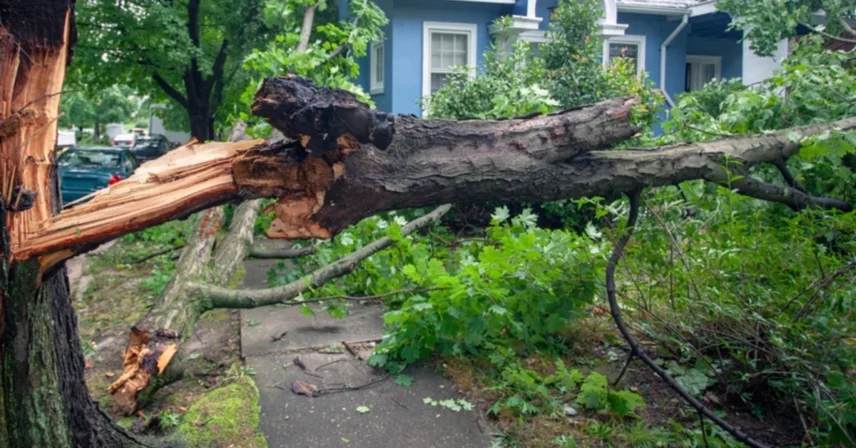
Oklahoma City is a vast urban forest, characterized by sprawling neighborhoods shaded by massive Oaks, Elms, and Pecans. However, the unique weather patterns of the Southern Plains, ranging from devastating ice storms to high-velocity spring winds, frequently turn these natural assets into significant liabilities. For homeowners facing the daunting cost of removing a massive, decaying, or storm-damaged tree, the question is often: Does the city offer any help?
Understanding the landscape of hazardous tree removal programs in Oklahoma City is essential for every resident. While municipal aid is not a universal blank check for tree work, there are specific scenarios and localized programs where city assistance, grants, or code enforcement relief can provide a lifeline to neighborhoods and individual property owners alike.
Understanding the City’s Jurisdiction: Public vs. Private Property
The first hurdle in determining if you qualify for aid is identifying the exact location of the tree. Oklahoma City’s municipal code is very specific about where its responsibility begins and ends. The City of Oklahoma is generally responsible for trees located within the public right-of-way, which typically includes the area between the sidewalk and the street, or trees located within city-managed parks and greenbelts.
a.) Trees in the Right-of-Way
If a hazardous tree is located in the right-of-way adjacent to your property, the City’s Public Works or Parks Department may handle the removal at no cost to the homeowner. However, homeowners are often surprised to learn that they are technically responsible for the routine maintenance (like leaf cleanup and basic pruning) of trees in the right-of-way, even though the City retains the authority to remove them if they become a public safety hazard.
b.) Trees on Private Property
For trees located entirely on private property, meaning behind the sidewalk or within your backyard, the City of Oklahoma City generally does not provide direct removal services or financial aid. In fact, if a tree on private property is deemed a public hazard (for example, if it is leaning over a public street or sidewalk), the City’s Code Enforcement division may issue a citation requiring the homeowner to remove it within a specific timeframe.
OKC Neighborhood Grants and Localized Assistance
While the central city government has limited aid for private property, several neighborhood-specific programs and grants exist to help mitigate the costs of tree care and hazardous removal. These programs are often designed to preserve the urban canopy and assist neighborhoods in maintaining safety.
a.) The Midtown OKC Tree Grant Program
One of the most robust examples of localized aid is the Midtown OKC Tree Grant. This program provides up to 50% reimbursement (not exceeding $4,000) for property owners within the Midtown boundaries of the Downtown Business Improvement District. While largely focused on planting and maintenance, these funds can significantly offset the costs of professional arborist consultations and the systematic replacement of hazardous species with healthier, storm-resistant varieties.
b.) Oklahoma Forestry Services (OFS) Assistance
Oklahoma Forestry Services offers technical assistance and occasionally administers grant/cost-share programs for communities across the state. These programs are often geared toward Urban and Community Forestry, helping neighborhood associations or small municipalities develop tree inventory plans that identify hazardous trees before they fall. While they rarely pay for a single tree removal for a private resident, they provide the data and technical support that can help a neighborhood qualify for larger environmental grants.
Code Enforcement and the Action Center
In many Oklahoma City neighborhoods, aid comes in the form of information and enforcement. If a neighbor has a hazardous tree that poses a direct threat to your home or the public right-of-way, the OKC Action Center is the primary point of contact.
a.) Reporting Hazards
Residents can report non-emergency code violations, including dead or leaning trees that threaten public infrastructure, via the Action Center at (405) 297-2535. Once a report is filed, a city inspector evaluates the situation. If a violation is found, the City issues a notice to the property owner to correct the problem. This process ensures that hazards are addressed before they cause property damage, though it places the financial burden on the tree owner.
b.) The Neighborhood Cleanup Program
Periodically, Oklahoma City organizes neighborhood cleanup events where bulk debris, including tree limbs and brush, can be disposed of at no cost. While these programs do not cover the actual cutting or removal of the tree, they provide significant aid by eliminating the high cost of hauling away tons of wood debris and chipping.
Federal and State-Level Support Programs
In instances of large-scale disasters, such as a federally declared ice storm or tornado event, the rules change significantly. Following a major disaster, FEMA (the Federal Emergency Management Agency) and state agencies may provide temporary aid for hazardous tree removal.
a.) FEMA Public Assistance
If a storm is severe enough, the city may implement an emergency debris removal program. During these windows, homeowners can often move tree debris to the curb for city pickup without the usual fees. In extreme cases, if a tree on private property presents an immediate threat to the public (such as falling across a major arterial road), the City may step in under emergency powers granted by disaster declarations.
b.) DEQ Environmental Grants
The Oklahoma Department of Environmental Quality (DEQ) provides grants to units of government and non-profit organizations for community cleanups. These grants can be used by neighborhood associations to clear invasive or dead trees from common areas or green strips that have become illegal dumping grounds or fire hazards. If your neighborhood association is proactive, it can apply for these funds to handle large-scale hazard mitigation.
H2 How to Qualify for Assistance: A Strategic Approach
Qualifying for city or grant-based aid requires a proactive, documented approach. You cannot simply wait for a tree to fall and expect a reimbursement check.
a.) Documentation and Professional Assessment
Most aid programs, including the Midtown Tree Grant and DEQ programs, require a professional assessment from an ISA Certified Arborist. This documentation proves the hazard exists and justifies the expenditure of public or grant funds. Having a written report that details Hazard Mitigation or Disease Suppression is often the key to unlocking neighborhood funding.
b.) Neighborhood Association Engagement
If your neighborhood does not currently have a tree assistance program, the best way to qualify is to create one. By working with the Oklahoma Community Forestry Council, neighborhood leaders can access training and small grants to start a tree inventory. Identifying Sick and Dying Trees on a neighborhood-wide scale makes the community a much stronger candidate for municipal or state-level environmental aid.
When city aid is unavailable or the situation is too urgent to wait for a grant cycle, you need a partner with the experience and equipment to handle the job correctly. Vision Tree Service is the leading provider of expert tree care in Oklahoma City, and the surrounding Metro area. As a team led by ISA Certified Arborists, we specialize in identifying and removing hazardous trees before they cause catastrophic damage to your property. Our commitment to excellence means we take the time to understand your unique landscape needs!
Whether you need emergency storm cleanup in OKC or a long-term plan for OKC tree fertilization and health, Vision Tree Service has the expertise to turn your backyard into a safe, beautiful paradise. Don’t leave your property’s safety to chance; contact our knowledgeable team today for a free estimate and experience true customer care from a local company that treats every project like the most important job of the day.
Frequently Asked Questions by Homeowners in OKC
Will the City of OKC remove a dead tree in my backyard?
Generally, no. The City only removes trees located on public property or in the public right-of-way. Trees on private property are the responsibility of the homeowner.
What is the Midtown OKC Tree Grant?
It is a reimbursement program that covers up to 50% of tree-related project costs (up to $4,000) for property owners within the Midtown boundaries of the Downtown Business Improvement District.
How do I report a hazardous tree leaning over a public sidewalk?
You should contact the Oklahoma City Action Center at (405) 297-2535 or use the OKC Connect mobile app to report the hazard to Code Enforcement.
Is there financial aid for low-income seniors needing tree removal in OKC?
While there is no permanent city-wide fund, some local non-profits and community action agencies occasionally offer assistance programs for essential home repairs, which may include hazardous tree removal.
What defines a Hazardous Tree in the municipal code?
A tree is typically considered hazardous if it is dead, diseased, or structurally unstable and poses an immediate threat to life, property, or the public right-of-way.
Does homeowners’ insurance cover the cost of removing a hazardous tree?
Most insurance policies only pay for tree removal if the tree has already fallen and damaged a covered structure. They rarely pay for the preventative removal of a standing dead tree.
Can a neighborhood association apply for city aid for common areas?
Yes. Neighborhood associations can often apply for matching grants or environmental cleanup funds through the City or the DEQ for hazardous tree mitigation in shared spaces.
Why is an ISA Certified Arborist required for grant applications?
An ISA Certified Arborist provides an objective, science-based assessment of the tree’s health and risk level, which is required by most granting agencies to ensure funds are being used appropriately.
Summary Checklist: Navigating Tree Aid in OKC
| Condition | Risk Level | Recommended Action |
|---|---|---|
| Dead tree in the public right-of-way | High | Contact the OKC Action Center to request a city inspection and removal. |
| Hazardous tree in the Midtown District | High | Apply for the Midtown Tree Grant for 50% reimbursement on professional removal. |
| Private property tree threatening the house | Critical | Call an ISA Certified Arborist immediately for an emergency removal estimate. |
| Multiple dead trees in neighborhood common area | Moderate | Have the Neighborhood Association apply for a DEQ Environmental Grant. |
| Standing dead tree in backyard (no structure hit) | Moderate | Schedule a routine removal to avoid city code enforcement citations and fines. |
Final Advice
Navigating the world of municipal aid for hazardous tree removal in Oklahoma City requires a mix of technical knowledge and persistence. While direct city aid for private property is rare, the availability of neighborhood-specific grants and emergency disaster programs means that homeowners do not always have to shoulder the burden alone.
- Don’t Wait for the Storm: Proactive inspections can identify hazards while they are still manageable and eligible for grant funding.
- Engage Your Association: Community-led efforts are significantly more successful in securing state or municipal funding than individual requests.
- Document Everything: Professional reports from an ISA Certified Arborist are the primary requirement for nearly every aid application.
- Prioritize Safety: If a tree poses an immediate threat, do not wait for a grant cycle; prioritize removal to avoid massive liability.
- Know Your Boundaries: Understanding where your property ends and the city’s right-of-way begins can save you thousands in removal costs.
Ultimately, a healthy urban forest is a shared responsibility. By utilizing the available aid programs and expert services in the OKC Metro, we can ensure our neighborhoods remain both beautiful and secure. Focus on long-term health, leverage local grants whenever possible, and never underestimate the value of a professional arborist’s assessment when dealing with the unpredictable nature of Oklahoma’s trees. Stay informed, stay proactive, and ensure your landscape legacy is protected through expert care and strategic planning.
Reviewed by a Certified Arborist
This article has been reviewed by a certified arborist to ensure all information meets industry standards.